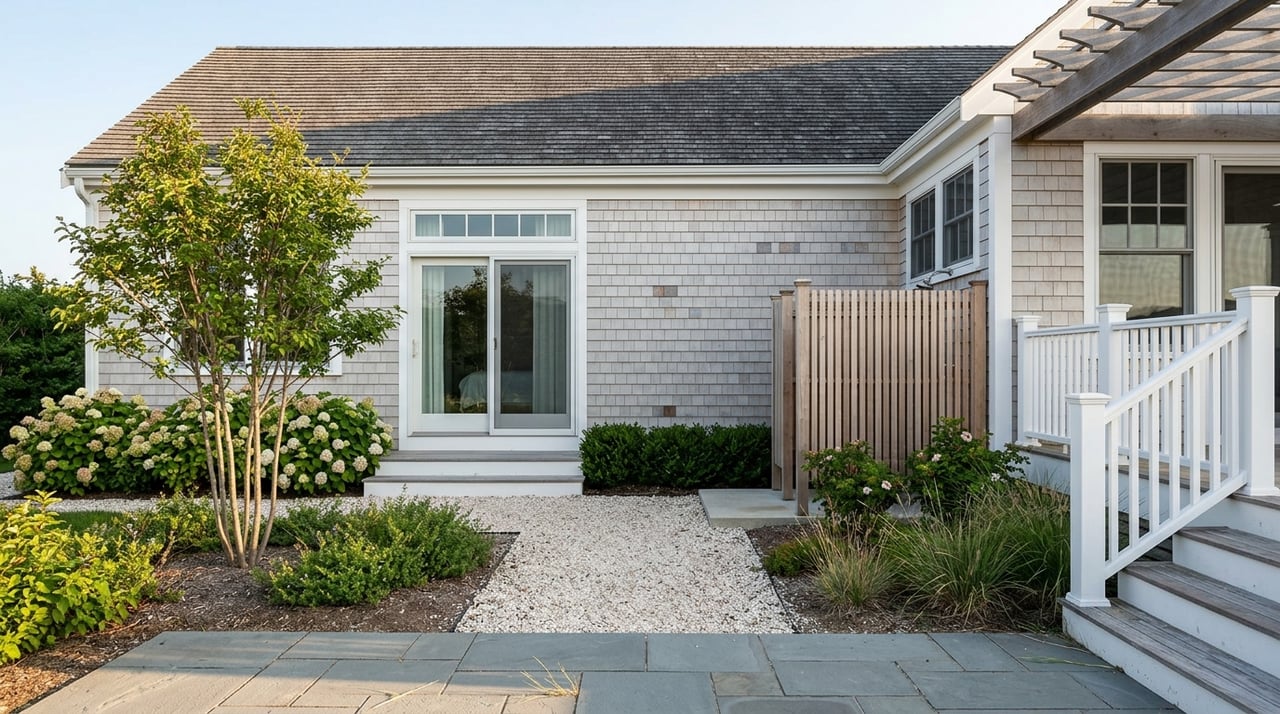
Wondering whether your Lewes home should be priced like a trail-adjacent gem or a true waterfront property? That question matters more than ever in a market where buyers clearly value outdoor access, walkability, and coastal lifestyle, but still expect pricing to match the facts. If your home sits near the canal, the Junction & Breakwater Trail, or a Cape Henlopen access point, the right number depends on much more than a map pin. Let’s break down how smart pricing works in Lewes.
Why location premiums vary in Lewes
Lewes buyers are often drawn to the same lifestyle features. Recent buyer preference data shows strong interest in access to nature, walkability to casual dining and coffee shops, and trails. In Lewes, that helps explain why homes near the canal, trails, and park access points can stand out.
Still, not all "close to" locations carry the same value. A home next to the Junction & Breakwater Trail is not priced the same way as a canalfront property with dock rights, and neither belongs in the same category as a bayfront home with beach access and resort-style amenities. The premium depends on the type of access, not just the general lifestyle story.
Recent local market snapshots also support a careful approach. For the three months ending April 2026, Redfin reported a median sale price of $864,554 and 47 median days on market in Lewes. Realtor.com's May 2026 snapshot showed 718 homes for sale, a median listing price of $659,900, a 99% sale-to-list ratio, and 50 median days on market, which suggests buyers will pay for the right home, but they are still watching price closely.
Price by access tier first
The most useful way to price a Lewes home near the canal or trails is to place it in the right access tier. That means starting with what the property actually offers, then comparing it to similar recent sales.
Trail-adjacent homes
Homes near or adjacent to the Junction & Breakwater Trail can command strong pricing when location, condition, and usability line up. Delaware planning materials describe the trail as a former rail corridor linking Lewes and Rehoboth, with the completed route forming a 14-mile connection from Canal Street to Rehoboth Avenue.
That kind of connectivity matters to buyers who want easy access for walking, biking, and getting around without relying on a car for every outing. In pricing terms, trail adjacency can support a meaningful premium, but it still needs to be backed up by the home itself.
Two recent sales help frame this tier:
- 16622 Shoal Rd sold on March 31, 2026 for $990,000
- 17322 Merlin Ln sold in June 2026 for $1,150,000
Both were marketed around their location east of the highway, proximity to the trail, and easy access to downtown Lewes. These examples suggest that a well-positioned trail-adjacent home can approach or exceed the million-dollar mark, but only when the full package supports it.
Canalfront and direct-water homes
The pricing changes sharply when your property includes direct water frontage or documented water-related rights. A canalfront home with a private dock belongs in a very different category than a house that is simply a short drive from the water.
For example, 117 Front St was off market in July 2024 at $2.7 million. That home included canal frontage, a private dock with four slips, a heated salt-water pool, a rooftop deck, and commercial space. Those features go far beyond proximity and help explain the much higher valuation.
Bayfront and amenity-rich properties
The top pricing tier in this group includes direct frontage, view premiums, and community amenities that are hard to replicate. A good example is 122 Breakwater Reach, which sold in February 2026 for $3,999,000.
That property overlooked the mouth of the Delaware Bay and Cape Henlopen State Park and included community beach access, a pool, clubhouse, tennis, and pier or dock amenities. When sellers compare their homes to standout sales like this, the key is to stay realistic about what is truly comparable.
Condition helps unlock the premium
Location gets buyers interested, but condition often determines whether they will pay top dollar. In the stronger recent examples, interior upgrades and outdoor functionality were part of the value story.
At 16622 Shoal Rd, marketing highlighted a gourmet kitchen and paver patio. At 17322 Merlin Ln, features included a sun-filled interior, sunroom, three-car garage, and privacy. At 117 Front St, the value story included a remodeled kitchen, rooftop deck, pool, and dock.
If your home is near the trail or canal, buyers will still compare finishes, layout, light, outdoor living, and maintenance level. A dated home in a strong location may still sell well, but it may not achieve the premium of a more turnkey competitor.
Outdoor usability matters in coastal pricing
In Lewes, buyers often think beyond square footage. They also pay attention to how a property lives outdoors.
Useful outdoor features can strengthen your pricing position, including:
- Patios or decks designed for entertaining
- Private or buffered outdoor space
- Easy bike storage or garage utility
- Well-maintained landscaping
- Water-oriented features such as docks, slips, or view decks when documented
These features do not automatically move a home into a higher tier. They do, however, help buyers feel that the lifestyle value is real and usable, which can support stronger offers.
HOA fees and amenities affect value
A higher price does not always mean a better value to a buyer if monthly or annual carrying costs are also high. That is why HOA fees and included amenities should be part of your pricing strategy from the beginning.
For example, 17322 Merlin Ln had a $121 monthly HOA. By contrast, 122 Breakwater Reach had a $5,000 annual HOA that covered pier and dock maintenance, road maintenance, and community amenities.
When you price your home, those costs matter because buyers are doing the math on the total ownership picture. If your property includes valuable amenities through the community, that may support pricing. If the fees are high without a clear benefit, buyers may push back unless the list price reflects that reality.
Be precise about access claims
One of the biggest pricing mistakes is using broad lifestyle language without backing it up. In Lewes, the strongest listing stories are specific and documented.
That is especially important around Cape Henlopen access. Delaware state park materials note that vehicle access for surf-fishing areas is regulated and limited to designated reservable locations such as Gordons Pond, Herring Point, Navy Crossing, and Point Crossing. Walk-on access is not the same as vehicle access, so sellers should be careful not to blur those distinctions.
If access is part of your value story, be clear about what the buyer is actually getting. That may include:
- Adjacent to the Junction & Breakwater Trail
- Minutes to downtown Lewes
- Community access to certain amenities
- Recorded dock rights or easements
- Deeded water access, if documented
Precise wording helps buyers trust the listing and gives your pricing more credibility.
Flood exposure should be part of the conversation
For canalfront or low-lying properties, water is not just a selling point. It can also affect cost, maintenance, and buyer demand.
DNREC's Pilottown Road study notes that the Lewes area near Canary Creek is frequently inundated during nuisance flood events caused by east and northeast winds. That does not mean every nearby property should be discounted the same way, but it does mean floodplain status, drainage, insurance considerations, and shoreline maintenance should be discussed early.
If you ignore these issues and simply price on view or proximity, buyers may hesitate once they dig into the details. A more defensible strategy is to acknowledge both the upside and the carrying considerations from the start.
What supports a stronger asking price
If you want to justify a premium, documentation matters almost as much as the features themselves. Buyers, appraisers, and agents all respond better when the value story is easy to verify.
Helpful materials may include:
- Survey or site plan
- HOA documents
- Permits for improvements
- Receipts for upgrades
- Photos of key features
- Recorded easements or dock rights
- Notes on recent outdoor improvements
This is especially useful when your pricing depends on something more than general location. If the home offers specific access, improvements, or rights, the file should show it clearly.
A practical pricing framework for Lewes sellers
If your Lewes home is near the canal, trails, or Cape Henlopen access points, start with a simple pricing framework.
1. Identify the real access tier
Ask whether your home is trail-adjacent, near public access, canalfront, bayfront, or in an amenity-rich community. Do not combine these categories just because they all sound lifestyle-driven.
2. Compare against the right sales
A home near the trail should be measured against similar trail-oriented properties like 16622 Shoal Rd and 17322 Merlin Ln. A direct-water home should be evaluated in a different lane, where docks, frontage, and water-facing amenities drive value.
3. Adjust for condition and usability
Review kitchens, baths, outdoor areas, privacy, storage, and overall finish level. In this part of the market, buyers often pay more for homes that feel ready to enjoy right away.
4. Factor in recurring costs
Include HOA dues, maintenance obligations, and water-related carrying costs in the pricing discussion. Buyers are not only buying the home. They are buying the ongoing ownership experience.
5. Use exact language
Describe what is documented and avoid overreaching. Specific claims usually create a better pricing case than broad marketing language.
The bottom line on pricing near the canal or trails
In Lewes, the best pricing strategy is not built on a vague coastal vibe. It is built on the exact kind of access your property offers, how it compares to recent sold homes, how turnkey it feels, and what ownership really costs.
That is why two homes only a few minutes apart can land in very different pricing ranges. Trail access can support near-million pricing in the right case, while direct water frontage, docks, and high-end community amenities can push values far higher. The key is knowing which tier your home truly fits, then pricing it with precision.
If you want help positioning your Lewes home near the canal, trails, or park access points, connect with Patrick Sommer for a pricing strategy grounded in local comps, clear marketing, and practical coastal insight.
FAQs
How should I price a Lewes home near the Junction & Breakwater Trail?
- Start by comparing it to recent trail-adjacent sales, then adjust for condition, outdoor features, HOA costs, and how close or connected the home truly is to the trail.
Does canal proximity increase Lewes home value?
- Yes, but the size of the premium depends on whether the home has direct frontage, dock rights, usable outdoor space, and documented access rather than simple proximity alone.
What recent Lewes sales help price homes near trails or water?
- Recent examples include 16622 Shoal Rd at $990,000, 17322 Merlin Ln at $1,150,000, 117 Front St at $2.7 million, and 122 Breakwater Reach at $3,999,000, each representing a different access and amenity tier.
Do HOA fees affect Lewes home pricing near the beach or trails?
- Yes, recurring HOA costs can influence buyer budgets and perceived value, especially when comparing homes with different community amenities and maintenance obligations.
Should flood risk affect the asking price of a Lewes waterfront home?
- It can, especially for low-lying or canal-area properties where nuisance flooding, insurance considerations, drainage, and shoreline maintenance may affect buyer demand and carrying costs.
What should a Lewes seller document before listing a home near the canal or trails?
- Gather surveys, HOA documents, permits, upgrade receipts, photos, and any recorded easements or dock rights so the home's value story is clear and easy to support.