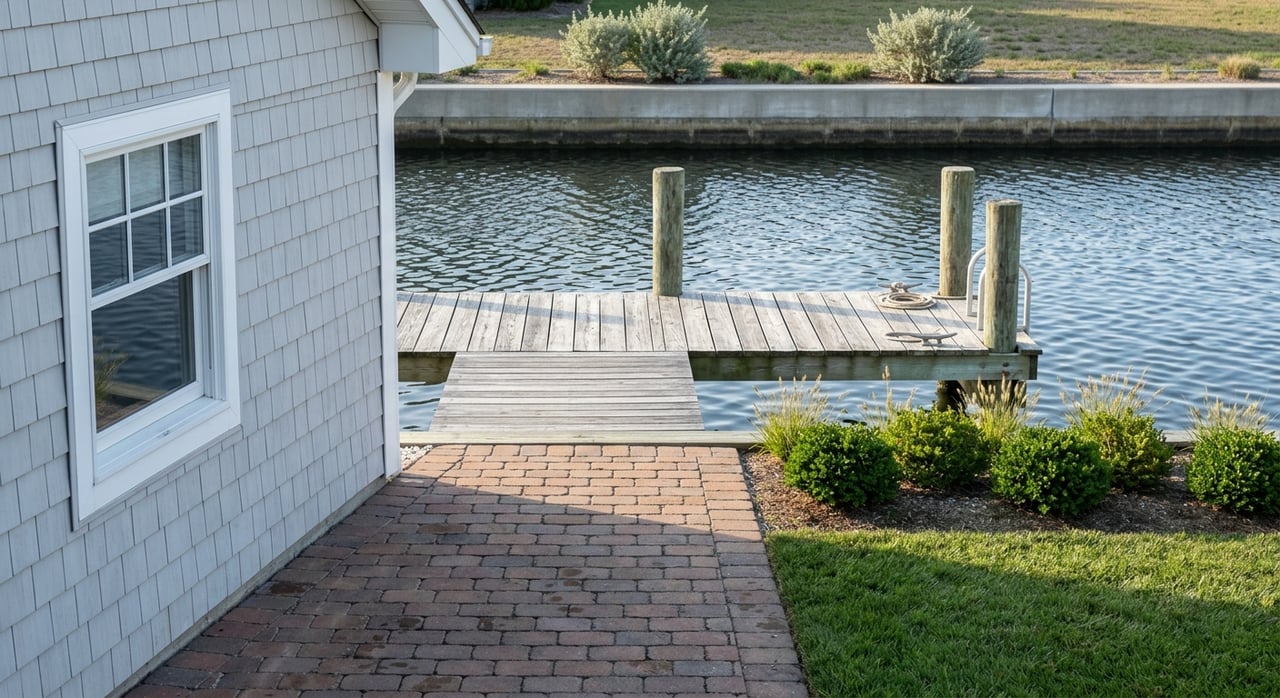
If you want a coastal town with real character, Lewes stands out fast. You get water access, walkable streets, and a historic setting that feels lived in rather than staged for tourists. Whether you are looking for a full-time home, a second home, or an investment-minded coastal property, understanding how Historic Lewes and the canalfront actually function can help you make a smarter move. Let’s dive in.
Why Lewes Feels Different
Lewes is known as the First Town in the First State, with roots dating back to a Dutch founding in 1631. Historic Lewes says it stewards 13 properties across town, with preserved buildings from the late 1600s through the 1800s. That means history is not tucked into one corner of town. It is part of the everyday setting.
The City of Lewes describes its identity through a close relationship with the sea, human-scale streets, and a pattern of busy days and quiet nights. That combination helps explain why Lewes often feels active and engaging without feeling like a nonstop resort district. For many buyers, that balance is a big part of the appeal.
Historic Lewes Living
Living in Historic Lewes means you are surrounded by preserved streets, older homes, and landmarks woven throughout town. Historic Lewes’ main campus sits on Shipcarpenter Street, but its sites also extend to places like Front Street, Second Street, Adams Avenue, and Pilottown Road. In practical terms, the historic environment is part of daily life, not just something you visit on the weekend.
For buyers, this can create a strong sense of place that is hard to replicate in newer communities. You may be close to downtown routines, local events, and waterfront areas while also living in a setting shaped by centuries of coastal history. That can be especially attractive if you value charm, walkability, and a home with a story.
What Buyers Should Know About Preservation Rules
Historic district ownership in Lewes comes with extra review for certain exterior changes. The city’s Historic Preservation Architectural Review Commission, or HPARC, requires approval for exterior work visible from the public right-of-way. The city also notes that a property is considered within the historic district when its zoning includes an (H) designation.
For you as a buyer, the key takeaway is simple. If you are considering an in-town historic home, you should expect more review for visible exterior changes, additions, or demolition than you might find with newer construction. That does not make historic ownership a bad fit, but it does mean you should go in with clear expectations.
Walkability and Daily Routine
One of Lewes’ biggest lifestyle advantages is how easy it is to get around without relying on your car for every short trip. The City of Lewes actively promotes walking and biking for beach visits, historic downtown trips, and access to shops, restaurants, cultural spots, and historic sites. The city also points to bike racks, canal-area bike parking, and a fix-it station that support that routine.
If you are comparing Lewes to more car-dependent beach markets, this matters. A walkable or bike-friendly pattern can change how you use your home, especially for second-home buyers who want convenience and easy access to the best parts of town. It also supports the kind of relaxed coastal rhythm many buyers are after.
Beach Access From Town
The city says the canal bridge on Savannah Road connects downtown Lewes to the coastline. It also identifies beach access points at Savannah Beach, Johnnie Walker Beach, Bay Avenue, and Roosevelt Inlet. Historic Lewes notes that Lewes Beach is quieter than neighboring beaches in the area.
That combination gives in-town living a lot of appeal. You can stay connected to downtown and still reach the beach quickly, without needing to live in the most commercialized stretch of shoreline. For many buyers, that is exactly the sweet spot.
Canalfront Living in Lewes
Canalfront living adds another layer to the Lewes lifestyle. The City of Lewes says Canalfront Park and Marina spans more than three acres next to the Lewes & Rehoboth Canal, the Overfalls Lightship, the historic Lifesaving Station, and the Lewes Little League fields along Front Street. It is both a recreation area and a visible part of the town’s maritime identity.
The park includes a 19-slip marina with floating docks, pump-out facilities, a fishing pier, a cedar canalfront boardwalk, lighted walkways, a village green, a kayak and canoe boat ramp, and a metered parking lot. For buyers drawn to the water, this is not just scenic frontage. It is functional access.
Boating and Water Access
The city’s marina contract places Canalfront and 1812 Park City Dock Marina at 211 Front Street and lists the marina season as April 1 through November 30. It also notes transient slips and day-sailing flexibility. That suggests the canalfront supports practical boating access and shorter-term use, not only long-term docking.
Historic Lewes also notes that the Lewes-Rehoboth Canal allows easy access to the bay and ocean. So if you are drawn to canalfront property or nearby homes, the setting offers both recreational value and a strong connection to Lewes’ working maritime character.
Lewes Is More Than a Summer Town
A lot of buyers ask whether Lewes feels mostly seasonal. The short answer is no. The city’s own language describes Lewes as a town of busy days and quiet nights, and Historic Lewes lists events held throughout the year.
Historic Lewes says its grounds are open year-round from dawn to dusk, and signature events include Tavern Shanty Nights, First Fridays, Craft Fair, Seaglass Festival, and the Christmas House Tour. That kind of calendar gives the town a steadier rhythm beyond peak beach season, which can matter if you plan to use a property often outside the summer months.
Farmers Market and Local Rhythm
The Historic Lewes Farmers Market adds another reliable pattern to everyday life. It lists Saturday summer markets from May 2 to September 26, 2026, Saturday fall markets from October 3 to December 5, 2026, and Wednesday summer markets from June 3 to September 2, 2026. For buyers, that helps paint a picture of a town with recurring local activity, not just holiday-weekend energy.
If you are searching for a home that supports a true lifestyle rather than occasional beach visits, details like this matter. They show how Lewes functions week to week, not just how it looks in listing photos.
Nearby Outdoor Amenities
Cape Henlopen State Park is a major part of the broader Lewes lifestyle. Delaware State Parks describes the park as offering beaches, coastal dunes, trails, pine woodlands, military history, a fishing pier, campgrounds, and year-round activities. That gives Lewes residents and visitors access to a wide range of outdoor options within the same local routine.
For second-home buyers and investors, this strengthens the area’s appeal. Historic downtown, canalfront recreation, beach access, and state park amenities all contribute to the experience of owning property here. It is one reason Lewes can appeal to both lifestyle-driven buyers and those thinking about seasonal use.
Who Historic Lewes Appeals To
Historic Lewes and canalfront areas can fit different types of buyers for different reasons. If you want charm, walkability, and a deeper connection to local history, the historic district may feel like the right match. If you are focused on water access, marina proximity, or an active outdoor routine, canal-adjacent living may stand out more.
Some buyers want both. They want a home that puts them close to downtown, near the canal, and within easy reach of the beach and Cape Henlopen State Park. In Lewes, that blend is a big part of the market’s long-term appeal.
What To Consider Before You Buy
Before you buy in Historic Lewes or near the canalfront, it helps to think about how you want to use the property.
- Do you want a walkable in-town routine?
- Do you prefer historic character or lower-maintenance newer construction?
- Would canal and marina access shape how often you use the home?
- Are preservation review rules a fit for your renovation plans?
- Is year-round lifestyle important to you, or are you focused mainly on peak season use?
Those questions can help narrow your search faster. They can also help you avoid falling for a property that looks great on paper but does not match your day-to-day goals.
Lewes offers a rare mix of preserved history, practical walkability, beach access, and maritime character. If you are weighing where and how to buy along the Delaware coast, that mix is worth a close look. If you want expert help comparing historic homes, canalfront options, or lifestyle-driven investment opportunities in Lewes, connect with Patrick Sommer.
FAQs
What is historic district living like in Lewes?
- Historic district living in Lewes means you are surrounded by preserved streets and older buildings, and exterior work visible from the public right-of-way may require HPARC approval if the property has an (H) zoning designation.
What makes canalfront living in Lewes appealing?
- Canalfront living in Lewes offers access to Canalfront Park and Marina amenities such as slips, a fishing pier, a boardwalk, and a kayak or canoe ramp, along with canal access to the bay and ocean.
How walkable is downtown Lewes for daily life?
- The City of Lewes promotes walking and biking for reaching downtown shops, restaurants, historic sites, and beach areas, and it supports that routine with bike racks, canal-area parking, and related facilities.
Is Lewes only busy during summer?
- No. The city describes Lewes as having busy days and quiet nights, and Historic Lewes lists year-round access and events that support activity beyond the summer season.
What outdoor amenities are near Historic Lewes?
- In addition to beach and canal access, Lewes is close to Cape Henlopen State Park, which offers beaches, dunes, trails, pine woodlands, a fishing pier, campgrounds, and year-round activities.