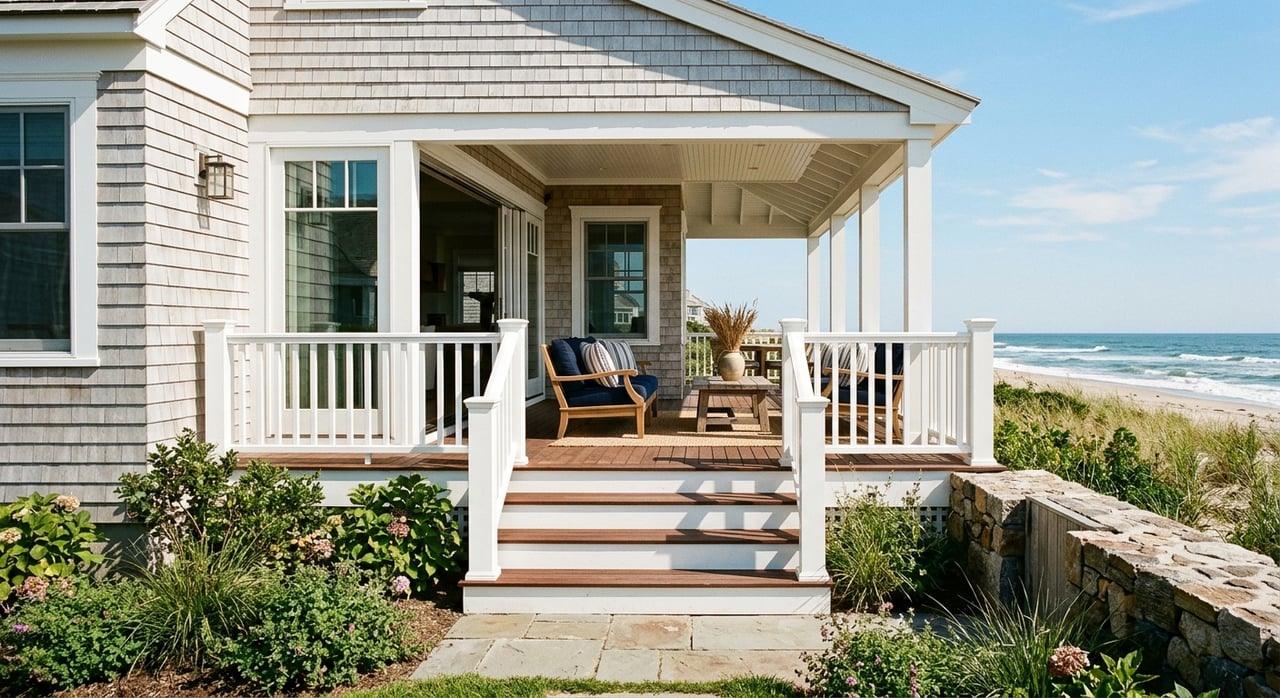
Pricing a beach property in Fenwick Island is not as simple as pulling a Zestimate or looking at one recent sale down the street. In a small coastal market, two homes with similar square footage can land at very different price points based on water exposure, beach access, views, flood-related costs, and property type. If you want to price your home with confidence, you need a more local and more detailed approach. Let’s dive in.
Why Fenwick Island pricing is different
Fenwick Island has a highly specific coastal setting. The town sits between the Atlantic Ocean and Little Assawoman Bay, with low-lying areas, canals, and long-documented exposure to tidal flooding and storm impacts. According to DNREC’s Fenwick Island resiliency information, that geography plays a major role in long-term property considerations and buyer decision-making.
That matters when you price a home because buyers are not only comparing finishes and square footage. They are also weighing elevation, flood insurance, water access, and how the property fits into Fenwick Island’s coastal landscape. In a town where location can shift value dramatically from one block to the next, pricing needs to reflect the property’s exact setting.
Start with the right market context
Public real estate sites can offer a helpful snapshot, but they do not always tell the full story in a small beach market. Redfin’s Fenwick Island market page shows a median sale price of $2.5 million, $866 per square foot, and 29 days on market, while Realtor.com reports a median listing price of $2.299 million and 78 median days on market. Those differences are a good reminder that broad market numbers can vary depending on data source, timing, and sample size.
Month-to-month swings can be even more dramatic. ATTOM data cited in the research shows median sales moving from $895,000 in July 2024 to $3.2 million in September 2024. In other words, one headline number can be misleading, especially in a market with a limited number of transactions and a wide range of property types.
Focus on comparable sales, not averages
The most reliable pricing strategy starts with a local comparative market analysis, or CMA. Fannie Mae’s guidance on the sales comparison approach explains that value should be based on comparable sales, contract sales, and listings, with adjustments for meaningful differences. That is especially important in Fenwick Island, where broad averages rarely capture what buyers are really paying for.
A strong CMA should begin with recent closed sales, then compare those sales to similar active and pending listings. The key is similarity, not convenience. The best comp is not always the closest property on a map. It is the one that most closely matches your home in location, style, size, condition, and features that buyers care about.
Separate homes by water exposure
One of the biggest pricing mistakes in Fenwick Island is mixing very different location categories into one comp set. Oceanfront, beach-block, bayfront, canal-front, and inland homes often attract different buyers and command different pricing. If those categories get blended together, the result can be an asking price that misses the market.
Current Fenwick Island waterfront listings on Redfin show a wide range, from roughly $1.2 million to $6.2 million, with a median listing price of $2.25 million. That spread tells you something important: “waterfront” alone is not enough to define value. Direct bay access, canal frontage, private docks, and proximity to the beach can all create different pricing lanes.
Oceanfront and beach-block homes
Homes near the ocean are often valued for beach access, views, and scarcity. Buyers in this segment may place a premium on direct beach proximity, decks, and the overall coastal experience. A beach-block home should usually be compared with other beach-block or ocean-oriented properties, not canal-front homes with a dock-focused appeal.
Bayfront and canal-front homes
Bayfront and canal-front homes can attract buyers looking for water access, boating utility, and sunset views. In these cases, details like dock rights, bulkheading, and direct bay access may matter as much as interior finishes. That is why bay and canal properties often need their own comp set.
Inland homes and condos
Inland homes, townhomes, and condos usually serve a different buyer pool. They may compete more on price point, maintenance level, parking, and ease of ownership than on direct water frontage. That makes it critical to compare like with like.
Account for property type and buyer pool
Fenwick Island includes everything from condo units to luxury detached beach homes. Those property types can sit in the same ZIP code while appealing to very different buyers. If you price a condo based on detached-home sales, or price a high-end single-family property against a broad average that includes smaller attached units, the number will be off.
Recent sold data in the research highlights that range clearly. Zillow examples span from a $440,000 condo unit at 39770 E Sun Dr Unit 125 to multimillion-dollar homes like 1707 Bay St at $2.71 million, 42 W Atlantic St at $5.95 million, and 40113 Owens Ct at $6.9 million. That spread reinforces why pricing in Fenwick Island must start with the right segment first.
Price the features buyers actually value
In Fenwick Island, buyers often pay for more than interior square footage. View corridors, outdoor living space, parking, garage storage, lot layout, and private water access can all influence what a buyer is willing to pay. In a coastal market, practical lifestyle features can move the number as much as cosmetic updates.
Some of the most important value drivers include:
- Water views
- Beach proximity
- Bay or canal access
- Dock rights
- Rooftop or elevated decks
- Parking and garage utility
- Lot configuration and usable outdoor space
- Renovation level and overall condition
These features should not be treated as minor details. They often shape how buyers compare properties and where they see value.
Consider age, condition, and updates
ATTOM reports an average single-family home age of 28 years in Fenwick Island. That suggests many homes are not brand new and may compete partly on condition, systems, and renovation quality. Buyers often look closely at roof age, windows, siding, HVAC, and whether the home feels move-in ready.
That does not mean every older home should be discounted heavily. It means condition needs to be priced honestly. A well-maintained coastal home with thoughtful updates may justify a stronger price than an unrenovated property with deferred maintenance, even if their layouts are similar.
Do not ignore flood and carrying costs
In Fenwick Island, carrying costs are part of the pricing conversation. The town participates in the National Flood Insurance Program, and its flood information notes a Class 9 CRS rating, which can provide qualifying owners a 5% flood insurance premium discount. At the same time, the town’s planning documents and DNREC materials make clear that flood exposure is a real and ongoing factor in this market.
That can affect how buyers underwrite affordability. Elevation, mitigation work, lender-required flood insurance, and ongoing ownership costs may all influence what a buyer feels comfortable paying. In some cases, two otherwise similar homes may not command the same price if one presents a more favorable ownership-cost profile.
Watch seasonality and timing
Fenwick Island does not always move in a straight line. Seasonal demand, limited inventory, and a small pool of sales can make pricing trends look uneven. Public data already shows notable variation in days on market and median pricing, which is common in a seasonal coastal area.
That is why timing matters. A pricing strategy for a faster sale may look different from a strategy built around patience and maximum exposure. The right approach depends on current competition, your property’s uniqueness, and how buyers are responding to similar listings right now.
Questions to ask before setting a list price
Before you settle on a number, it helps to step back and pressure-test the strategy. A good pricing conversation should answer more than “What do I want to get?” It should also address how buyers are likely to compare your home in the current market.
Here are smart questions to ask:
- Which recent sales are truly comparable, and which are outliers?
- Is your property competing with ocean, bay, canal, or inland homes?
- How should condition, elevation, and flood insurance affect price?
- Are dock rights, views, or outdoor spaces changing the comp set?
- Does the current market support a quicker-sale strategy or more time on market?
Why local pricing advice matters
In a market as nuanced as Fenwick Island, pricing is part data and part judgment. You need recent sales, active competition, and reliable market sources, but you also need local context. Knowing which homes buyers see as substitutes is often what separates a smart asking price from one that sits.
That is where local coastal experience can make a real difference. If you are thinking about selling and want a pricing strategy grounded in Fenwick Island’s unique market dynamics, Patrick Sommer can help you evaluate your property, identify the right comp set, and position your home for the strongest possible result.
FAQs
How should you price a Fenwick Island beach property?
- You should start with a local comparative market analysis built around recent closed sales, similar active listings, and meaningful adjustments for location, property type, condition, and coastal features.
Why do Fenwick Island home values vary so much?
- Values can vary widely because Fenwick Island has a small coastal market with different property types, water exposures, views, access features, and ownership costs that can change buyer demand.
Do flood zones affect Fenwick Island home pricing?
- Yes. Flood exposure, elevation, mitigation, and flood insurance costs can influence buyer affordability and may affect how a property compares to similar homes.
Should you use oceanfront sales to price a canal-front home in Fenwick Island?
- Usually no. Oceanfront, bayfront, canal-front, beach-block, and inland homes often appeal to different buyers and should generally be evaluated with separate comp sets.
Is price per square foot enough for Fenwick Island real estate?
- No. Price per square foot can be a useful reference point, but it does not fully capture features like views, dock rights, lot utility, beach access, outdoor living, or carrying costs.
When is the best time to price a home in Fenwick Island?
- The best timing depends on current inventory, buyer demand, and your goals, since seasonality and limited transaction volume can make market conditions shift quickly.