Picture yourself starting your day with salt air, an easy stroll to the beach, or a quick paddle from your own dock. If you want a low-maintenance coastal place that still puts you close to sand, surf, and the bay, condos and townhomes in Fenwick Island deliver. Choosing the right spot takes more than liking the view, though. You want to understand locations, fees, rental rules, flood risk, and what association living really covers. This guide walks you through all of it so you can buy with confidence. Let’s dive in.
Why attached living fits Fenwick Island
Fenwick Island is a narrow barrier-town tucked between Bethany Beach to the north and Ocean City, Maryland to the south. You get a small-town feel with ocean and bay access in either direction. The town’s visitor resources are a helpful starting point for getting your bearings and understanding seasonal logistics like parking and beach access. You can explore local rules and contacts on the Town of Fenwick Island visitor page.
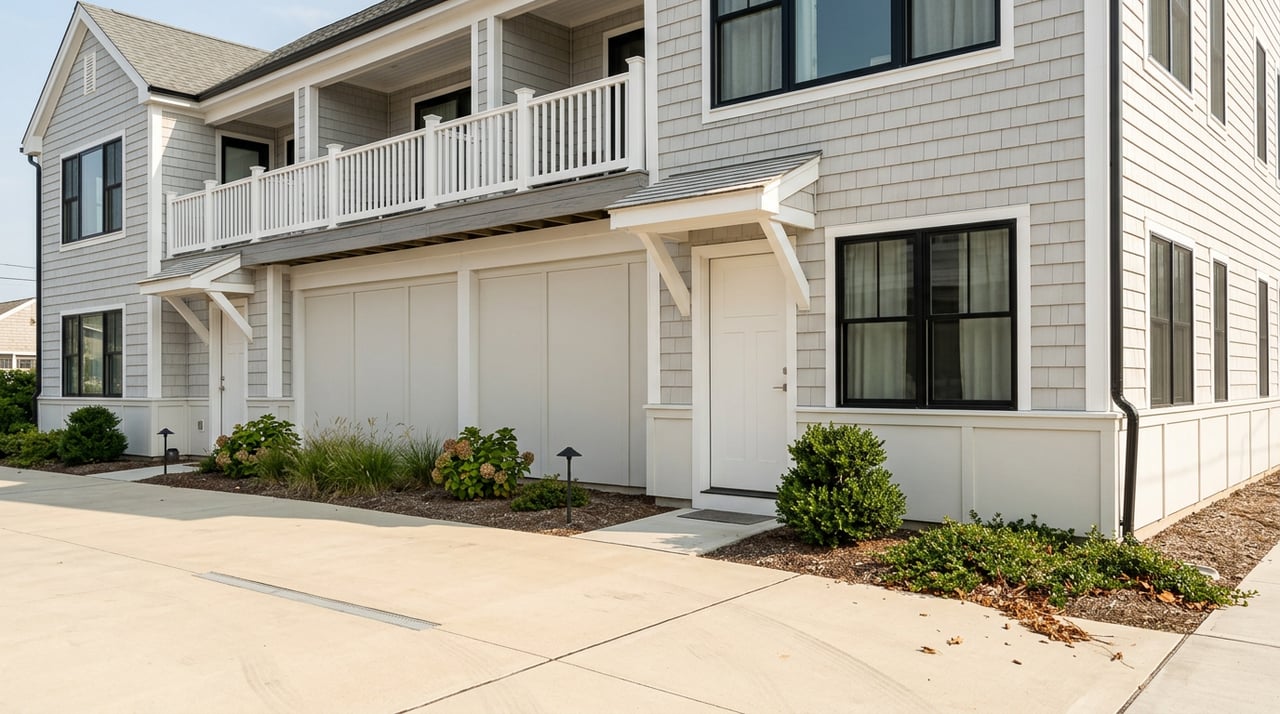
Attached homes here include low-rise oceanfront condo buildings, multi-level ocean-block townhouses, and bayfront townhouse enclaves set along canals and the Little Assawoman Bay. That variety gives you real choices on views, price points, and amenities with less upkeep than most single-family waterfront homes.
Where condos and townhomes cluster
Oceanfront and ocean-block
On the ocean side of Route 1, you will find low-rise condo buildings and multi-level townhomes along streets like East/Oceanside Drive, Grant Drive, and sections of Atlantic and Bunting. These buildings often feature direct beach access, ocean-facing balconies, and pilings for coastal resilience. Communities in this area tend to prioritize surf, sand, and sunrise views.
Bay and canal side
West of Route 1 near Madison Avenue and Lighthouse Road, bayfront and canal-front townhome complexes offer docks, slips, and bay views. If you picture sunset deck time, crabbing from the pier, or launching a kayak from your back door, this side fits well. These neighborhoods trade surf-side convenience for water access and a boating lifestyle.
Interior and mixed blocks
Closer to Coastal Highway and near local shops and dining, you will see smaller condo and townhome projects. These often market walkability and easy maintenance. You are a short bike or drive to the beach, which can mean a lower price point relative to premium oceanfront or direct bayfront.
What floor plans and amenities look like
Oceanfront condos
Many oceanfront or ocean-block condos range from one to three bedrooms. Smaller footprints around 500 to 1,200 square feet are common in low-rise buildings, with layouts that emphasize an ocean-facing living room and a long balcony. Mid-rise buildings may include elevators and shared storage for beach gear.
Multi-level townhomes
Three and even four-level townhomes are common, especially in bayfront enclaves. You can expect a ground-level entry or carport, a main living level, one or two bedroom floors, and sometimes rooftop or large deck spaces. Typical sizes often run from about 1,600 to more than 2,400 square feet, and bayfront homes may offer assigned docks or slips.
Community features
Amenities vary, but you will often find outdoor pools, community piers or boat slips in bayfront complexes, common parking or assigned spaces, elevators in mid-rise buildings, grounds care, and occasionally a clubhouse or on-site management. Always confirm the specific list in the association documents for the property you are considering.
What HOA/condo fees usually cover
Association living shifts many exterior responsibilities off your plate. Common items covered include exterior building maintenance and roofing, elevators, pools, docks and bulkheads when applicable, common landscaping, exterior insurance on the building, and common-area utilities and trash service. The exact line between association and owner responsibility is set by the governing documents. You can review Delaware’s condominium statute for how common elements are defined and governed in the state at the Delaware Code.
What fees cost in real life
Fees vary widely in Fenwick Island based on building size, insurance needs, and amenities such as docks or elevators. Recent listing examples show the range:
- Oceanfront low-rise condos can land in the low hundreds per month.
- Small bayfront townhouse associations with docks and a pool can be around the mid to upper hundreds per month.
- Luxury bayfront buildings with elevators and extensive dock or bulkhead systems can reach into the multiple-thousands per quarter.
- Premium communities that offer both ocean and bay amenities may also show several-thousand-dollar quarterly totals.
These are examples, not a town-wide standard. Always verify the current monthly or quarterly amount, what it includes, and whether any special assessments are planned. For a deeper understanding of association budgeting, reserve studies, and owner responsibilities, the Community Associations Institute’s resources are useful for buyers learning how HOAs work. You can find guidance through Community Associations Institute.
Short-term rentals, taxes, and rules
If you plan to rent your condo or townhome as a vacation property, build your plan around both state and local rules, plus HOA restrictions.
- State lodging tax: Delaware imposes a statewide short-term rental lodging tax of 4.5 percent on agreements entered into on or after January 1, 2025. Municipalities may add local lodging taxes on top. Get the full overview at the Delaware Division of Revenue’s STR FAQs.
- HOA limits: Many associations set minimum stay lengths, rental caps, or registration requirements. Always confirm the exact policy in writing.
- Town-level logistics: The Town of Fenwick Island can advise on any local registrations, contacts, and enforcement. Start with the Town visitor page for resources and phone numbers.
Before you buy, model a realistic rental pro forma that includes seasonality, cleaning, utilities, platform fees, management costs, and the combined state and any local lodging taxes.
Flood risk, insurance, and resiliency
Coastal properties often carry higher insurance and flood considerations. Lenders require flood insurance for homes in FEMA Special Flood Hazard Areas. You can check the exact parcel’s status through the FEMA Flood Map Service Center and ask your insurance professional for a quote early in due diligence.
Fenwick Island appears in state resiliency planning as a community with exposure to tidal inundation and long-term sea-level rise. It is wise to review state planning resources through the DNREC Fenwick Island resiliency page. If you want to visualize future scenarios, the NOAA Sea Level Rise Viewer can help you understand potential long-term risk at a neighborhood scale.
Lifestyle logistics worth noting
A few day-to-day items can make your beach time smoother:
- Parking: The Town requires seasonal parking permits in designated areas from May 15 to September 15. Confirm details, fees, and zones on the Town visitor page.
- Storage and access: Ask about deeded storage, bike racks, and beach walkway access for your building. In some communities, guest passes or amenity badges apply during peak season.
- Boats and water toys: For bayfront and canal-front homes, verify assigned slip documentation or licensing, and ask about lift policies and rules for kayaks and paddleboards.
Buyer due-diligence checklist
Use this list to move from browsing to a confident offer:
- Request the complete HOA or condo packet before contract if possible, including Declaration, Bylaws, Rules, current budget, reserve study, the insurance certificate for the master policy, and any rental policy addenda. Delaware law and the documents define what the association covers vs what owners cover. Review the statute framework at the Delaware Code.
- Verify the current monthly or quarterly assessment, what it includes, and whether any special assessments are planned or recently approved. Ask for recent meeting minutes and the latest financials.
- Pull a FEMA FIRM map for the exact address and request an insurance quote early. Check parcel-level status using the FEMA Flood Map Service Center.
- Confirm short-term rental permissibility: review association rental rules, ask the Town about any local registrations or inspections, and learn how the statewide 4.5 percent lodging tax applies through the Delaware STR FAQs.
- Document unit-specific items: assigned parking spaces, deeded storage, beach walkway access, and any dock or boat-slip rights. Ask about guest passes or badges if the community uses them. Town-season information is on the visitor page.
- Get copies of insurance declarations for both the association’s master policy and a sample owner HO-6 or landlord policy. Ask whether any building-level deductible is shared among owners. For general best practices, see resources from Community Associations Institute.
- If you plan to rent, build a full pro forma that includes realistic high-season occupancy, shoulder-season demand, cleaning and linens, utilities, platform and management fees, and the combined lodging taxes.
Ocean vs bay: which fits you
Both sides of Fenwick Island can be a win. Your choice comes down to how you live the coast.
- Choose oceanfront or ocean-block if you want daily beach walks, sunrise views, and a short carry to the sand. You will likely trade boat access for surf-side convenience.
- Choose bayfront or canal-front if you want docking, crabbing, or paddle time right off your deck, plus sunset views. You will drive or bike to the beach and should budget for dock, bulkhead, and sometimes elevator-related costs in the association.
Next steps
Whether you are buying a vacation retreat or an investment with rental potential, a well-run association and the right location make all the difference. You will weigh HOA coverage, fees, flood exposure, and rental rules alongside your lifestyle goals. If you want a local, investor-savvy perspective on specific buildings and townhome enclaves in and around Fenwick Island, reach out to start a focused search with Patrick Sommer.
FAQs
What do HOA fees usually include for Fenwick Island condos or townhomes?
- Most associations cover exterior maintenance, roofing, common insurance, landscaping, common utilities, trash, and, when applicable, elevators, pools, docks, and bulkheads; the exact list is defined in the governing documents and Delaware statute.
How does Delaware’s 4.5 percent short-term rental tax work for Fenwick Island owners?
- The state tax applies to stays with agreements on or after January 1, 2025, and municipalities may add local taxes; learn details and host responsibilities from the Delaware STR FAQs.
How can I check flood risk for a specific Fenwick Island property?
- Enter the address in the FEMA Flood Map Service Center and ask your insurance professional for a quote; also review long-term exposure through the DNREC resiliency page and the NOAA SLR Viewer.
Are parking permits required during the summer in Fenwick Island?
- Yes, seasonal permits are required in designated areas from May 15 to September 15; confirm zones, rates, and how to purchase on the Town visitor page.
What should I review in an HOA or condo packet before making an offer?
- Request the Declaration, Bylaws, Rules, budget, reserve study, master insurance certificate, recent board minutes, and rental policies; Delaware’s framework for common elements is outlined in the Delaware Code.